Source pp nasal inhaler for Medical, Automotive, and Household Use
Find and compare 30 pp nasal inhaler options from verified Chinese manufacturers. Evaluate features like CE certification, OEM services, and instant relief capabilities for medical and external use applications; compare the available evidence and request quotations based on your requirements.
Key considerations
Products List








Comprehensive Sourcing Guide
PP Nasal Inhaler Sourcing Guide
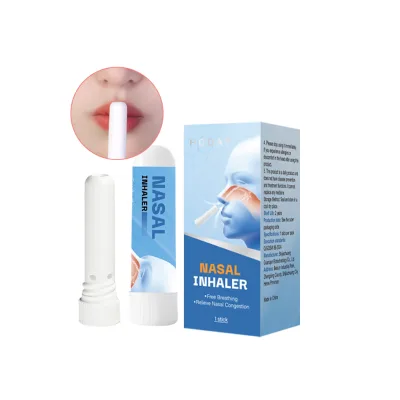
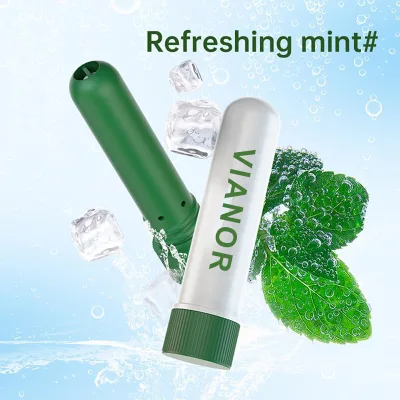
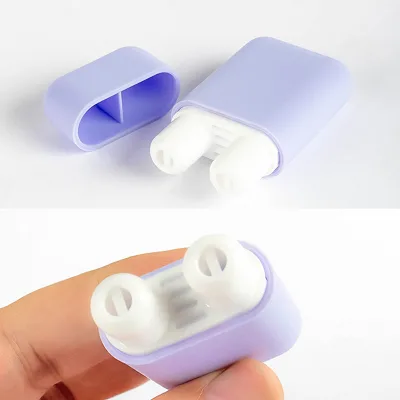
Sourcing polypropylene nasal inhalers requires a clear understanding of the product’s functional design and material properties. These devices are typically engineered to provide instant relief from nasal congestion through the inhalation of aromatic vapors or essential oils. The primary material, polypropylene, is selected for its durability, chemical resistance, and suitability for injection molding processes that ensure consistent manufacturing quality. Buyers must recognize that while the core function remains constant, variations in internal wick structures, mouthpiece geometry, and external casing designs can significantly impact user experience and product efficacy.
Procurement decisions should be guided by observed market signals, such as the prevalence of OEM and ODM services offered by manufacturers. Many suppliers provide customization options for branding, packaging, and even flavor profiles, allowing buyers to tailor products to specific regional preferences or therapeutic niches. It is essential to verify that the supplier’s capabilities align with your volume requirements and quality expectations. Understanding the distinction between standard off-the-shelf models and fully customized solutions will help in negotiating more favorable commercial terms and ensuring that the final product meets your brand’s specific identity and performance standards.
Product Scope and Observed Listing Signals
The current market landscape for nasal inhalers shows a wide range of product configurations, with observed price points varying significantly based on order quantity and customization levels. Listings often indicate a minimum order quantity (MOQ) that can range from small trial batches to large industrial volumes, reflecting the flexibility of modern manufacturing lines. Buyers should note that while some suppliers offer single-item sales for sampling, bulk orders typically trigger tiered pricing structures. This variability necessitates a careful analysis of total landed costs, including shipping and tariffs, rather than focusing solely on the unit price displayed in initial inquiries.
Observed product attributes frequently highlight features such as instant relief, convenience, and external usage, which are critical selling points for end consumers. The packaging formats also vary, with options including blister packs, individual boxes, and bulk cartons containing hundreds of units. These packaging choices directly influence storage efficiency and retail presentation. Additionally, the shelf life of these products is a crucial factor, with many listings specifying a two-year stability period. Buyers must ensure that their supply chain logistics can accommodate this shelf life to prevent inventory obsolescence, particularly when importing from regions with longer transit times.
Technical Specifications to Verify
When evaluating technical specifications, the model number and physical dimensions of the nasal inhaler are primary verification points. Suppliers often provide multiple model codes, such as NI-20240524 or VIA-series identifiers, which correspond to specific design iterations or component configurations. Buyers should request detailed dimensional data, including single package size and gross weight, to optimize palletization and shipping logistics. The material composition, typically plastic for the casing and potentially other materials for internal wicks or filters, must be confirmed to ensure compatibility with the intended aromatic substances and to meet any internal material safety standards your organization may enforce.
Form factor and application details are equally important for ensuring product suitability. While some listings describe the product as an ointment or specify leaf-based ingredients, the nasal inhaler itself is a mechanical device designed for external use. Buyers must clarify whether the supplier provides the device only or includes the medicated wick or oil. Furthermore, the bottle type, whether plastic or otherwise, and the specific application areas, such as medical, household, or automotive, should be explicitly defined. Misalignment in these technical details can lead to significant operational disruptions, so precise specification sheets from the supplier are essential before placing any orders.
Compliance and Safety Documentation
Compliance with international and regional standards is non-negotiable for nasal inhalers, given their direct interaction with the human respiratory system. Buyers must verify that suppliers hold relevant quality certifications, such as CE, ISO, GMP, and MSDS documentation. These certifications indicate that the manufacturing processes and final products meet specific safety and quality benchmarks. It is crucial to request copies of these certificates and verify their validity with the issuing bodies. Additionally, RoHS and TS16949 certifications may be relevant if the product components involve electronic elements or if the supplier operates within automotive supply chains, though these are less common for standard nasal inhalers.
Safety data sheets (SDS) and material safety data sheets (MSDS) are critical for handling and storage compliance. These documents provide essential information on the chemical composition of any included oils or wicks, ensuring that the product does not contain prohibited substances. Buyers should also inquire about the testing protocols used by the supplier to ensure product consistency and safety. While specific test results may not be publicly listed, understanding the supplier’s quality control framework and their approach to batch testing can provide confidence in the product’s reliability. Ensuring that all documentation is up-to-date and regionally compliant is a key step in mitigating regulatory risks.
Cost Drivers and Commercial Terms
Several factors influence the final cost of nasal inhalers, with material costs, tooling fees, and order volume being the primary drivers. Polypropylene prices fluctuate with global oil markets, affecting the base cost of the plastic casing. For customized products, initial tooling or mold costs may be incurred, which can be amortized over larger order quantities. Buyers should negotiate clearly on whether these setup fees are refundable or credited against future orders. Additionally, the complexity of the design, such as multi-part assemblies or specialized packaging, can increase production time and labor costs, impacting the overall unit price.
Commercial terms, including payment methods, lead times, and shipping arrangements, play a significant role in the total procurement cost. Suppliers may offer various packaging options, such as 432, 600, or 1200 pieces per carton, which can affect shipping efficiency and cost. Buyers should also consider the implications of Incoterms, such as FOB or CIF, when calculating landed costs. It is advisable to establish a clear agreement on quality acceptance criteria and return policies for defective goods. Understanding these commercial nuances allows for more accurate budgeting and reduces the risk of unexpected expenses during the procurement process.
Supplier Qualification and Quality Control
Supplier qualification is a critical step in ensuring a reliable supply chain for nasal inhalers. Buyers should conduct thorough due diligence on potential suppliers, verifying their business licenses, manufacturing capabilities, and past performance. Factoring in the supplier’s location, such as Hebei or Ningbo in China, can provide insights into their logistical advantages and industrial ecosystem. It is also important to assess their capacity for OEM and ODM services, as this indicates their flexibility and commitment to customizing products to meet specific buyer requirements. A supplier’s ability to handle large volumes while maintaining quality is a key indicator of their operational maturity.
Quality control measures should be explicitly defined in the purchase agreement. Buyers should request information on the supplier’s internal quality management systems, including inspection protocols at various stages of production. Third-party inspection services can be employed to verify product quality before shipment, ensuring that the goods meet the agreed-upon specifications. Additionally, establishing a clear communication channel for addressing quality issues is essential. Regular audits or sample reviews can help maintain consistent quality standards over time. By prioritizing suppliers with robust quality control frameworks, buyers can minimize the risk of receiving substandard products and protect their brand reputation.
Long-Term Procurement Checks
Long-term procurement success depends on continuous monitoring of supplier performance and market dynamics. Buyers should establish key performance indicators (KPIs) to track metrics such as on-time delivery, product quality, and responsiveness to issues. Regular reviews of these metrics can help identify potential problems early and facilitate corrective actions. Additionally, staying informed about changes in regulatory requirements and industry standards is crucial for maintaining compliance. Buyers should proactively engage with suppliers to discuss potential improvements in product design or manufacturing processes, fostering a collaborative relationship that benefits both parties.
Supply chain resilience is another critical aspect of long-term procurement. Diversifying suppliers or maintaining a buffer stock can mitigate risks associated with production disruptions or logistical delays. Buyers should also consider the environmental impact of their procurement choices, exploring options for sustainable materials or packaging where feasible. By maintaining a strategic approach to supplier management and continuously evaluating market trends, buyers can ensure a stable and efficient supply of nasal inhalers. This proactive stance not only safeguards against operational risks but also positions the buyer to capitalize on emerging opportunities in the market.
FAQs
How does the nasal inhaler relieve congestion?
The product provides instant relief for nasal congestion as a primary feature. It is designed to be convenient and effective for external use. Users can expect immediate results when applying the ointment form to the inhaler device for respiratory support.
What certifications does the product hold?
This item holds CE certification and meets GMP, ISO, and MSDS standards. These quality certifications ensure the product adheres to international safety and manufacturing requirements. Buyers can verify these credentials to confirm compliance with regulatory frameworks for medical devices.
Which customization options are available for orders?
Customization is available for branding, packaging, and flavor preferences. The supplier offers OEM and ODM services to meet specific buyer requirements. Clients can request tailored solutions including custom packaging quantities and specific product specifications to align with their market needs.
Can I order small quantities for testing?
Yes, the minimum order quantity starts at one unit for single items. This allows buyers to test the product before committing to larger bulk orders. The flexible MOQ range supports both small trial purchases and large-scale industrial procurement needs effectively.
Where is the product manufactured and shipped from?
The product originates from Hebei, China, with some items made in Ningbo. All goods are produced in China and shipped from these locations. Buyers should expect the supply chain to be based in these specific Chinese manufacturing hubs for efficient logistics.
What is the shelf life of the inhaler?
The product has a shelf life of two years from the date of manufacture. This duration ensures stability and efficacy for storage and distribution purposes. Buyers can plan their inventory management around this two-year validity period for optimal stock rotation.